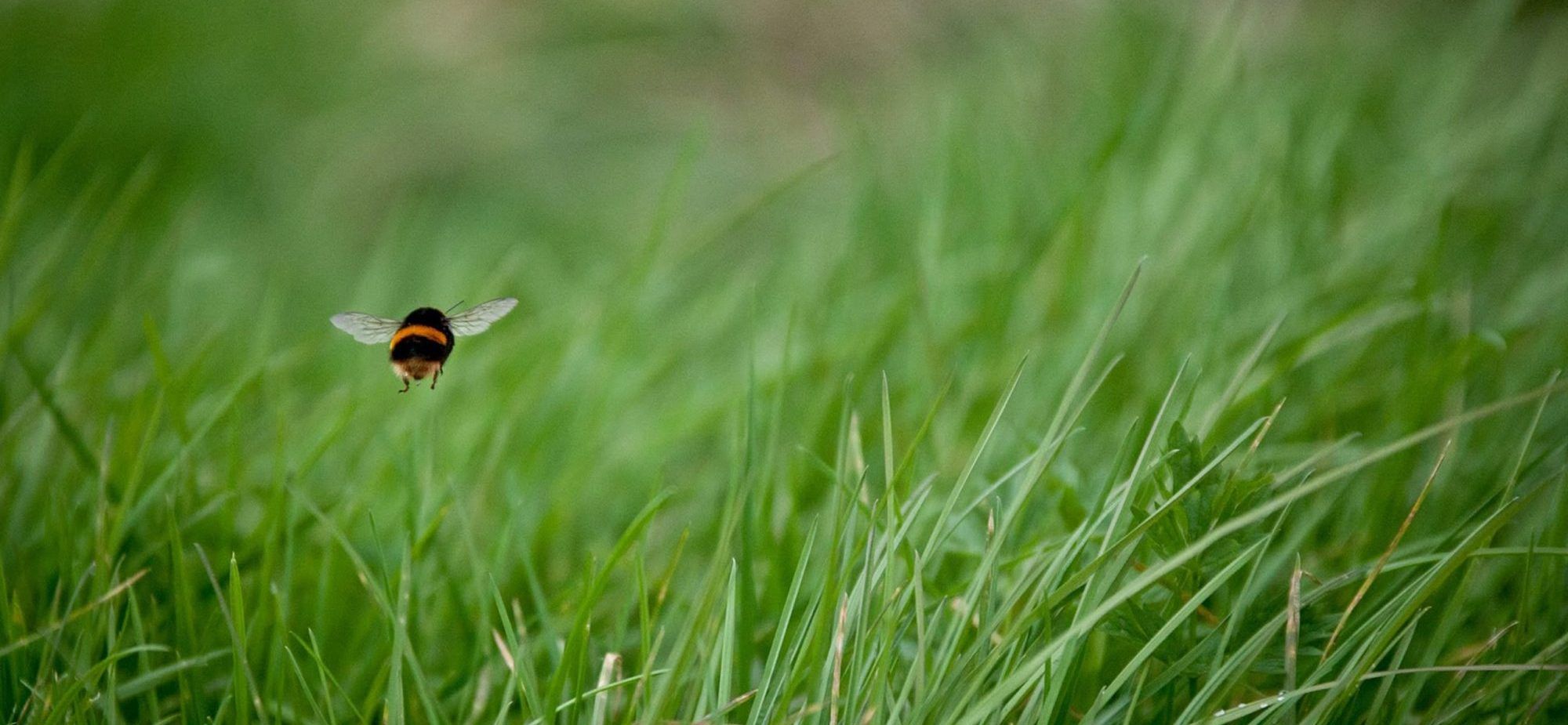
A bumble bee in flight over long grass

Bioteams

High Performing Teams and Improved Collaboration through Biomimicry

Author · page 8 of 10

Ken Thompson

Dysfunctional teams: bioteam them

There are many ways to analyse dysfunctional teams in organisations such as deficiencies in trust, absence of shared objectives, poor co-operative working practices or inappropriate leadership styles/models. However taking a purely biological perspective opens up exciting new possibilities for really transforming these teams performance.

Continue readingDysfunctional teams: bioteam them

Spontaneous human cooperation: The Christmas Truce

We are used to having to work very hard to make collaboration happen in teams and groups however sometimes it just emerges. The Christmas Truce is the true story of how British and German soldiers in the trenches on Christmas eve 1914 called a truce and celebrated Christmas Day by singing carols, exchanging gifts and playing football together. It is an amazing example of nature’s most effective co-operation strategy, Tit for Tat, which emerged spontaneously for, sadly, an all too short time.

Continue readingSpontaneous human cooperation: The Christmas Truce

The perfect mobile group communications system: adopt nature’s oldest signalling system

Pheromone-based messaging is the oldest and most evolved form of biological signalling. It uses chemicals to effect communications between animals and insects through smell and taste. There is an excellent opportunity for today’s virtual teams and mobile groups to re-organise the way they use their internet, email, messaging and presence-aware technologies to gain huge benefits from it.

Continue readingThe perfect mobile group communications system: adopt nature’s oldest signalling system

The Three Laws of Teams

i,Team
The famous science fiction writer, Isaac Asimov, forecasted the coming age of Robots with a series of entertaining stories involving dilemmas around the concept of the Three Laws of Robotics. Asimov’s work was brought to the big screen in the recent block-buster film starring Will Smith “i, Robot”. But can these laws also be applied to teams?

Continue readingThe Three Laws of Teams